How to Check Plagiarism and AI Content in Your Articles: Free and Paid Tools Compared
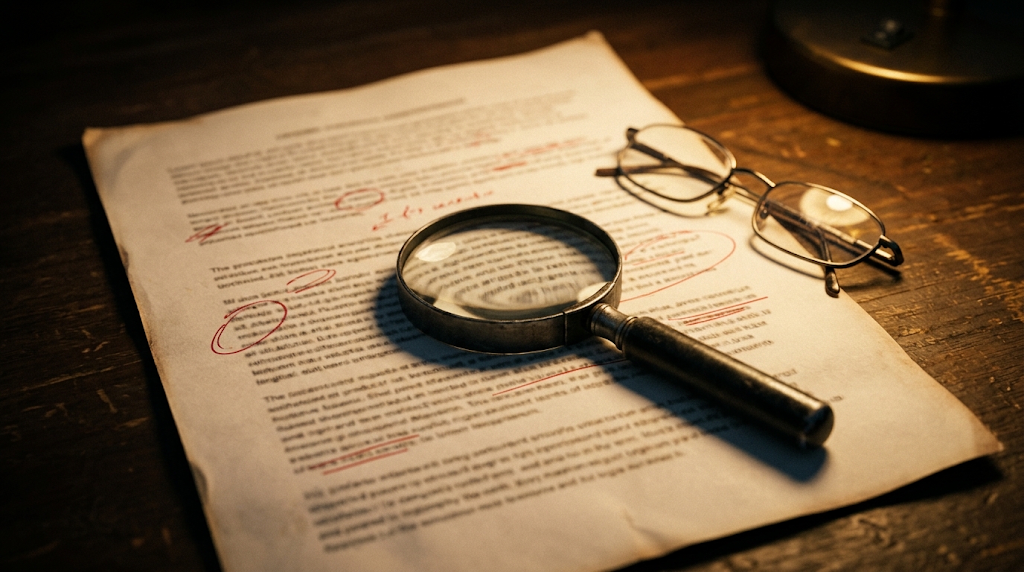
Whether you wrote the article yourself, paid a writer, or drafted it with AI help, you’ve got two separate checks to run before publishing, and people constantly mix them up. Plagiarism detection asks: did this copy someone else’s work? AI detection asks: does this read like a machine wrote it? Different problems, different tools, different fixes.
Here’s how each works, which tools are worth your time, what the scores actually mean, and what to do about them.
The two checks are not the same thing
A plagiarism checker compares your text against published pages and reports matching passages. It measures copying. An AI detector looks at writing patterns, sentence predictability, rhythm, structure, and estimates whether a human or a model produced it. It measures style.
So a fully AI-written article can score 0% plagiarized and 90% AI at the same time. A paragraph copied word-for-word from a blog can score high plagiarism and 0% AI. For AdSense especially, you need both checks passing, original content that’s also clearly human-edited.

Free tools that actually work
- Small SEO Tools and Duplichecker. Free plagiarism scans up to a few thousand words. Basic but catches copy-paste from indexed pages. Misses paraphrased theft though.
- Quetext. Limited free scans monthly, much cleaner reports, shows you the matched sources side by side.
- GPTZero and ZeroGPT. The most-used free AI detectors. Paste, get a percentage with flagged sentences highlighted.
- Copyleaks free tier. Limited daily checks but covers both plagiarism and AI in one place, which is convenient.
Paid tools, if you need them
- Copyscape Premium. The old reliable for plagiarism. A few cents per search, very good at catching copied passages.
- Originality.ai. Built exactly for this: plagiarism and AI detection together, priced per credit. Popular with agencies for a reason.
- Copyleaks paid. Handles Indonesian text better than most, which matters if you’re writing in Bahasa.
Honest take for a small site publishing a few articles weekly: GPTZero plus Quetext free tiers cover the basics. Pay when volume or client requirements justify it, not before.
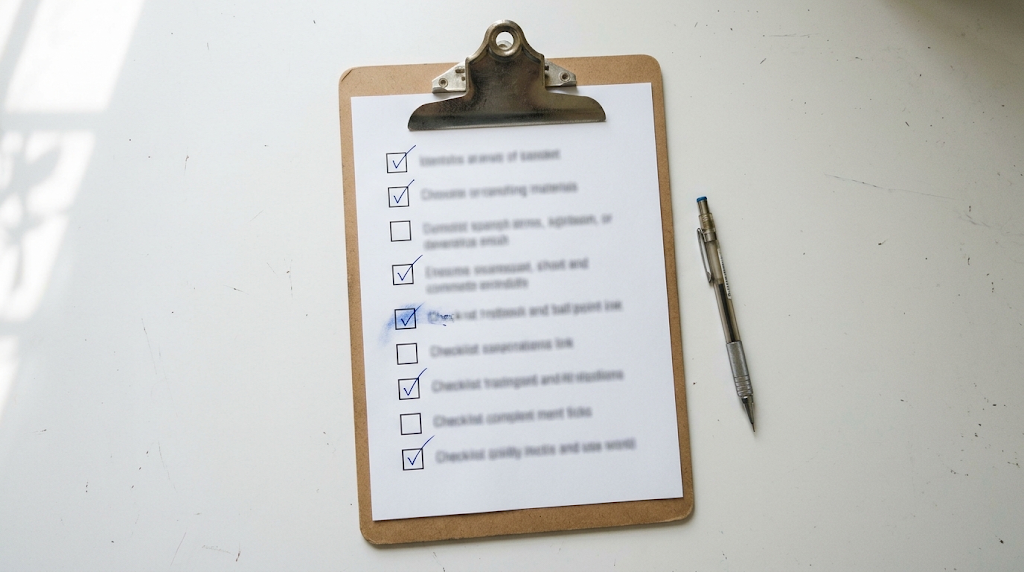
Why you never trust one score
Different tools give different verdicts on identical text, sometimes wildly different. A single draft can come back looking like this:
| Tool | Example result on one draft |
|---|---|
| Plagiarism checker | Low similarity, matches are just common phrases |
| GPTZero | “Likely AI” on polished sections |
| ZeroGPT | A noticeably different score on the same text |
Run your own article through two or three tools before believing any number. And know this: false positives are real. Careful, polished human writing gets flagged as AI regularly, my own university essays would’ve scored “likely AI” on some of these tools, and I promise a very tired human wrote those.
What a plagiarism score actually means
A similarity percentage isn’t a verdict. Every article shares stock phrases with the internet, “how to make an invoice,” “in this guide we’ll cover,” standard definitions. Most checkers flag those, so 3 to 8 percent similarity on original work is completely normal.
What matters is where matches sit. A flagged phrase scattered across a dozen sources? Coincidence, ignore it. A whole paragraph matching one page? That’s copying, regardless of the total percentage. Read the match report, never just the number. When in doubt, rewrite the passage, five minutes of rewriting beats the question entirely.
What AI detectors catch and how to fix it
Plagiarism flags are straightforward: rewrite the matched passage or add a citation. AI flags are weirder. Detectors tend to catch:
- Every sentence being roughly the same length and rhythm
- Overly balanced phrasing (“not only X but also Y” everywhere)
- Generic claims with zero specifics, “many businesses benefit” means nothing
- Formulaic transitions and suspiciously tidy conclusions
The fix isn’t scrambling words with a paraphrasing tool (detectors see through that instantly now). It’s writing like a person: vary your rhythm, state actual opinions, drop in real numbers and names from your experience, let some imperfection survive.
A workflow that doesn’t waste your time
- Write or receive the article.
- Plagiarism check first. Fix matches.
- AI detector on what’s left.
- For flagged sections, add one detail only a human would know, vary the sentence lengths, cut generic filler.
- Re-scan once.
- Keep a log per article: date, both scores, what you changed. When a reviewer or client questions originality later, that log is your answer. Screenshot the scan results and keep them next to the article file, cheap insurance.
Do this today
Grab one article you’re about to publish. Run it through a free plagiarism checker and GPTZero. Look at the flagged sentences specifically, not just the score, and ask yourself honestly: does this sound like something a person who does this work would actually write?
If yes, you’re fine. If not, that’s your edit list, and it’s usually shorter than the scary percentage suggests.